
Navigating Melbourne can be a bit of a puzzle even for the average commuter—now imagine doing it with mobility challenges. For those using wheelchairs or other mobility aids, the question often comes down to this: Should you take a wheelchair-accessible taxi or rely on public transport? Both have their merits, but when it comes to day-to-day reliability, convenience, and true accessibility, the differences are more than just about cost.
My Friend’s Morning Commute
Let me tell you a story. A close friend of mine, let’s call her Jane, uses a power wheelchair. She lives in the Inner West and commutes daily to her part-time job in the city. On good days, she hops onto a low-floor tram, glides across the accessible platform, and arrives at her stop without issue. But not every day is a good day.
Just last month, the tram ramp wasn’t working, and there were no staff around to assist. The next tram came—but it was one of the older models with steps. She ended up having to wait 40 minutes, call support twice, and eventually had to take a cab—late for work again.
That day sparked a bigger conversation about what’s truly “accessible” in Melbourne.
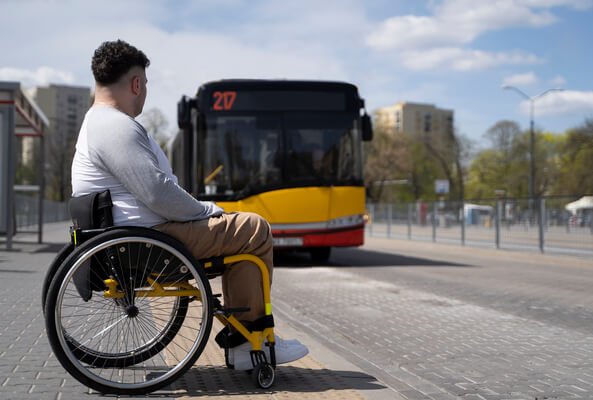
Public Transport: Great in Theory, Inconsistent in Practice
Let’s be honest—Melbourne’s public transport system is trying. Low-floor trams, accessible train stations, and buses fitted with ramps are slowly becoming the norm. But the keyword here is “slowly.”
According to Public Transport Victoria (PTV), all new trams and buses are designed to be accessible, and major stations have ramps or lifts. Yet, about 40% of tram stops still require steps, and older trams haven’t been phased out completely. Add in peak-hour crowding, broken lifts, and unpredictable service delays, and things get tricky—fast.
Trains fare a bit better, especially in terms of station infrastructure, but getting assistance on short notice can be hit or miss. Staff aren’t always available, and if you need help with a ramp, you often have to book in advance or hope someone’s there.
Wheelchair Taxis: More Than Just a Ride
Enter wheelchair-accessible taxis (WATs). These specially equipped vehicles are designed to provide door-to-door transport, complete with trained drivers and vehicle ramps or lifts. For many people with mobility challenges, a WAT isn’t just a ride—it’s a lifeline.
Need to get to a medical appointment at 7 a.m.? Taxi. Going somewhere unfamiliar with no clue about the terrain or platform type? Taxi. Heading home late after a concert when public transport stops running? Taxi.
What makes WATs especially valuable is the flexibility and predictability they offer. You book, they arrive (on time—usually), and they take you exactly where you need to go. No navigating busy stations or wrestling with broken lifts.
Sure, the cost can be higher—but with subsidies like the Multi Purpose Taxi Program (MPTP) offering up to 50% off fares for eligible passengers, many find it affordable enough, especially when weighed against the stress of unreliable public options.
So… Which Is More Accessible?
That depends on what you value most—freedom or affordability, independence or spontaneity.
- Public transport is great when everything lines up: the platform’s accessible, the lift works, and the staff are available. It’s affordable and sustainable. But you need to be patient and flexible, especially outside the CBD.
- Wheelchair taxis, on the other hand, offer reliability and peace of mind. You trade some spontaneity and affordability for control over your schedule and destination. For many, especially when time or comfort is critical, that’s worth it.
Final Thoughts: Maybe It’s Not Either-Or
The truth is, many people use both—and that’s perfectly okay. On an easy weekday morning, public transport might do the trick. But for weekend outings, unpredictable weather, or those one-off urgent errands, nothing beats the convenience of a wheelchair taxi.
What we need isn’t to choose between the two, but to keep pushing for a Melbourne that’s truly inclusive—where trams, trains, buses, and taxis all work together to serve every citizen equally.
Until then, knowing your options—and what to expect from each—can make all the difference in reclaiming your freedom to move.
 +61 450 850 786